Central Texas Water Concerns: What Buyers and Landowners Should Know
Water availability in Central Texas, the Hill Country, and areas around Seguin has become an increasingly important topic for landowners and buyers as drought conditions and growing demand continue to impact the region’s water supply.
Water has always played a major role in shaping life across Central Texas. Rivers, reservoirs, and underground aquifers have supported ranching, farming, and communities throughout the region for generations. But in recent years, extended dry periods and rapid population growth across Texas have brought renewed attention to long-term water availability.
Much of Central Texas relies heavily on groundwater supplied by aquifers such as the Edwards Aquifer and the Trinity Aquifer. These aquifers provide drinking water for millions of Texans and supply wells for many rural properties throughout the Hill Country and surrounding counties.
Unlike lakes or rivers, aquifers recharge slowly. When drought conditions persist for extended periods, groundwater levels can decline and take significant time to recover.
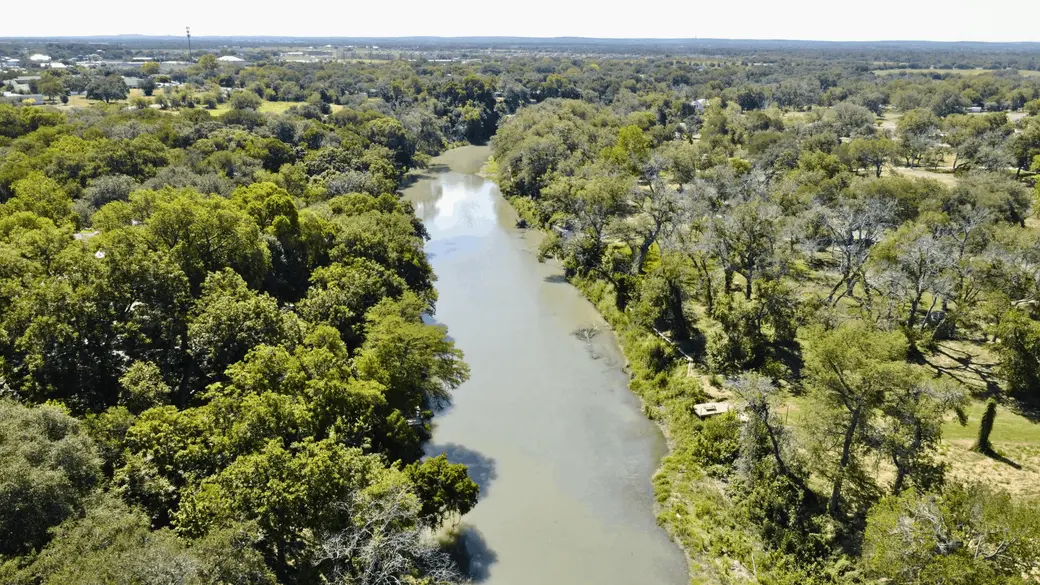
Surface water sources across the region have also experienced fluctuations during recent drought cycles. Canyon Lake, which feeds the Guadalupe River system and supports communities throughout Central Texas, has seen varying water levels during dry periods. These changes highlight how closely the region depends on rainfall and watershed conditions to maintain stable water supplies.
Further south, the situation has become even more visible. Reservoir systems serving the Corpus Christi region have reached extremely low levels during recent drought conditions, prompting increased conservation efforts and long-term planning discussions about future water supply.
While communities around Seguin and the Hill Country are not currently facing the same extreme shortages seen in parts of South Texas, the situation has brought greater awareness to how important water resources are across the state.
For buyers considering land in Central Texas, water access is becoming an increasingly important factor to evaluate. Many rural properties rely on private wells, meaning aquifer conditions, groundwater district regulations, and nearby well depths can all influence long-term water reliability.
Because of this, buyers looking at land in Guadalupe County, Gonzales County, and the surrounding Hill Country often ask questions about water sources early in the purchasing process. Understanding whether a property depends on well water or a public system can be just as important as the acreage itself.
Water availability has always been part of land ownership in Texas, but with continued population growth and changing weather patterns, it is becoming a topic more buyers are paying attention to when evaluating property.
For those considering purchasing land in Central or South Texas, understanding how water supply works in the region can help ensure a property supports both current needs and long-term plans.
If you're interested in learning more about evaluating land before purchasing, you can also read our guide:
South Texas Land for Sale: What Buyers Should Know Before Investing.
Sources and References: Texas Water Development Board; Edwards Aquifer Authority; U.S. Drought Monitor; Water Data for Texas (Canyon Lake reservoir levels); regional reporting on Texas water supply from Texas Tribune, KSAT, and San Antonio Express-News.
Categories
Recent Posts