What Floodplain Designations Mean for South Texas Property Buyers
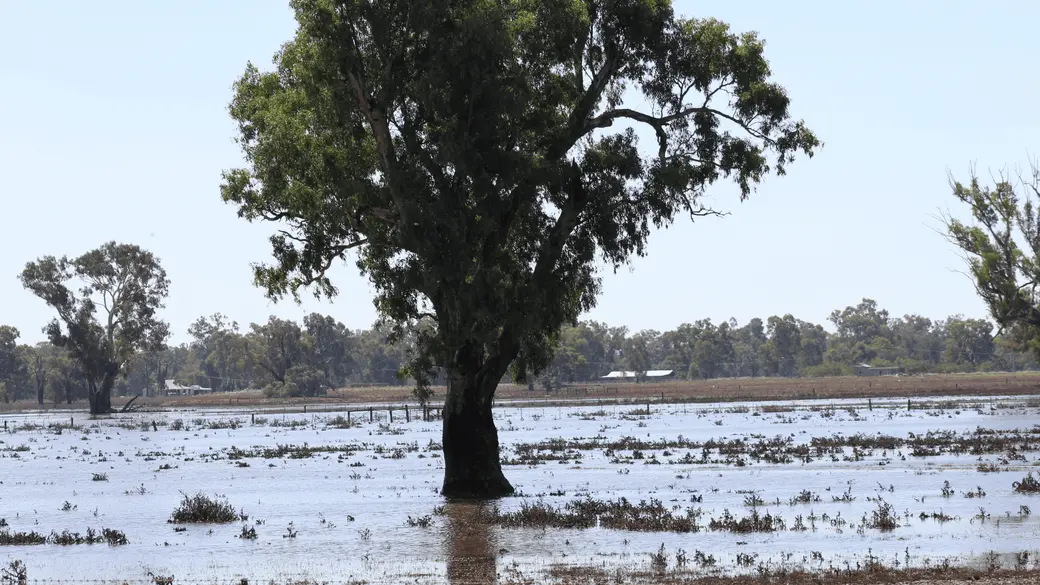
In South Texas, water shapes the land. Creeks, rivers, seasonal drainage areas, and low crossings influence property lines and development potential. Understanding floodplain property South Texas buyers encounter is essential before closing. Floodplain designation does not automatically make a property a poor investment, but it does require informed decision-making.
Understanding FEMA Flood Zones
Floodplain maps are based on Federal Emergency Management Agency (FEMA) classifications. Common designations include Zone A and Zone AE, which are considered Special Flood Hazard Areas with higher flood risk, and Zone X or Shaded X, which generally indicate lower or moderate risk compared to A or AE zones. However, lower risk does not mean no risk. Flood zone classification can impact insurance requirements, lender approval, building elevation standards, and resale considerations.
Can You Build in a Floodplain
In some cases, yes. In others, only partially. Many properties have only a portion within a designated floodplain. Buildable space may still exist on higher ground. Before purchasing, review official FEMA flood maps, verify elevation certificates if available, confirm county development standards, and determine whether elevation or mitigation measures are permitted. Buying property in a floodplain requires careful review, not assumption.
Insurance and Lending Considerations
If a structure is located within a FEMA Special Flood Hazard Area and the purchase is financed through a federally regulated or backed lender, flood insurance is typically required. Insurance cost depends on factors such as elevation, structure type, flood history, and coverage limits. Floodplain property in South Texas may carry additional holding costs, but in some cases location and water access offset those considerations.
Long-Term Resale Strategy
Some buyers avoid flood zones. Others actively seek waterfront or creek frontage. The key considerations include percentage of land affected, usable buildable footprint, access to utilities, and long-term resale flexibility. Understanding how floodplain status affects both construction and buyer perception helps protect future value.
Final Thoughts
Floodplain designation is not a red flag. It is a data point. In South Texas, smart purchases come from understanding terrain, regulatory requirements, and long-term positioning. Know the land. Know the risk. Make informed decisions.
Sources and References: Federal Emergency Management Agency (FEMA); Texas Water Development Board; Guadalupe County Floodplain Administration.
Categories
Recent Posts