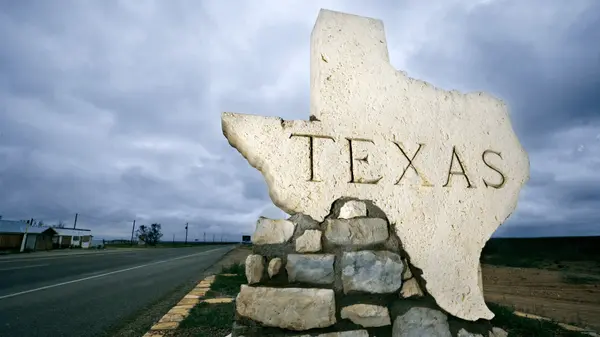
How Hybrid Work Is Reshaping Texas Real Estate (and Why Land Is in Demand)
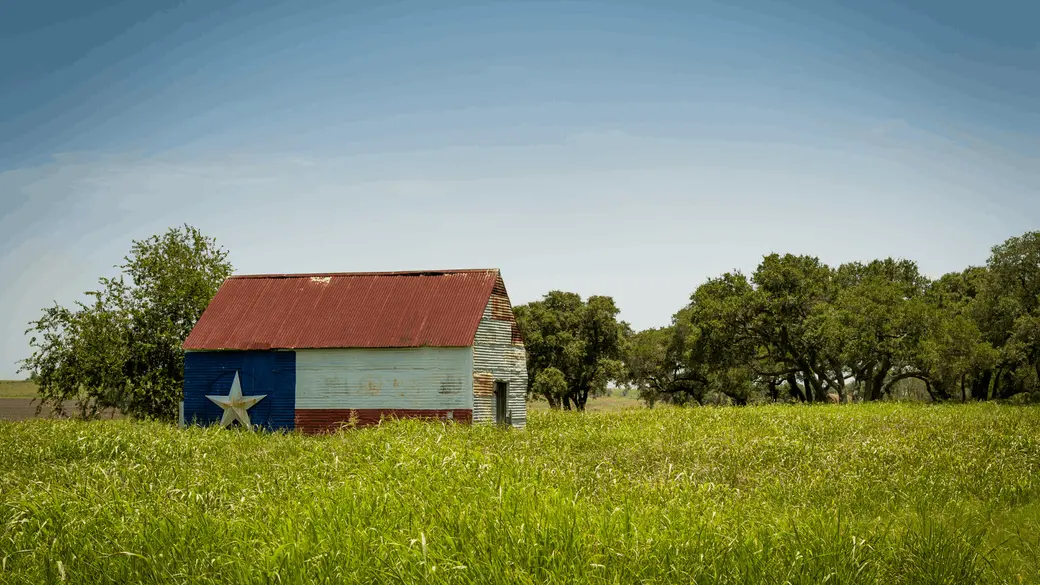
Texas real estate in 2026 is shifting as hybrid work drives more buyers toward land, space, and rural properties across Central Texas.
For years, real estate decisions in Texas were centered around one main factor: proximity to work. Buyers often chose location over space, trading acreage and privacy for shorter commute times and convenience to major job hubs. That tradeoff shaped how and where people bought property across the state.
That mindset is starting to change.
As hybrid and remote work become more common, buyers are no longer tied to a daily commute in the same way they once were. Instead of needing to be within a certain distance from an office five days a week, many now have the flexibility to choose a property based on how it supports their lifestyle. Space, privacy, and long-term usability are becoming just as important, if not more important, than location alone.
This shift is one of the biggest reasons we are seeing increased demand for land across Central and South Texas.
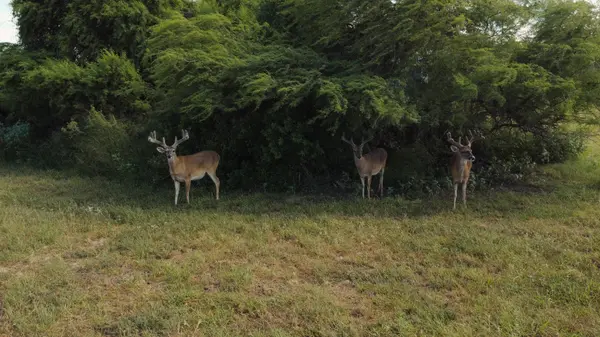
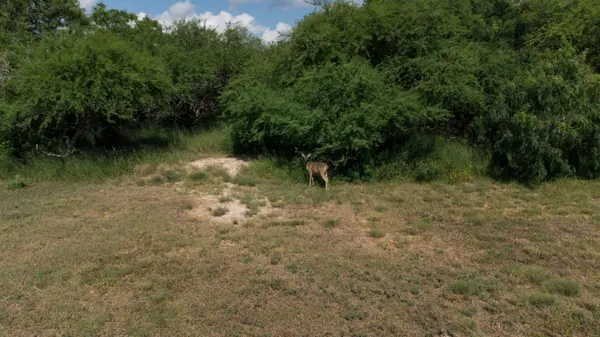
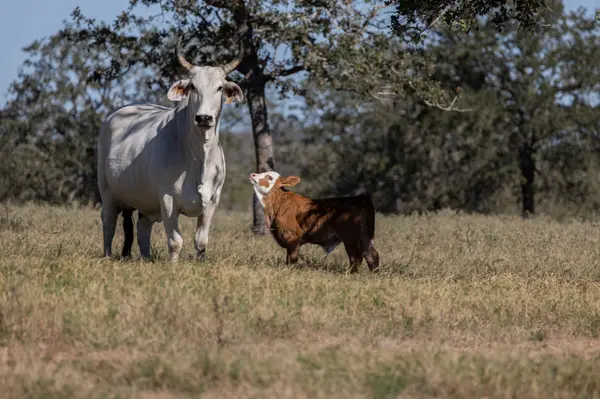
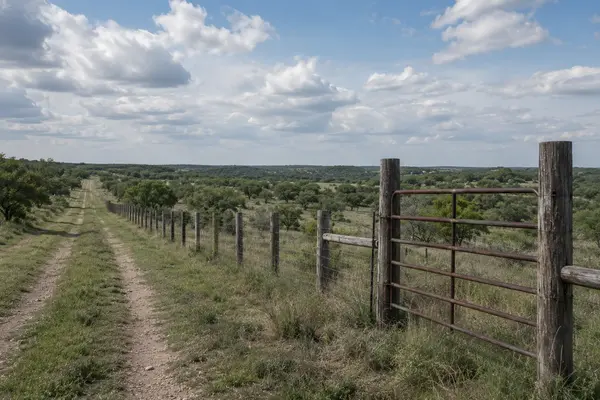
Areas that may have once felt “too far out” are now being reconsidered. Markets like Seguin, Kingsbury, Canyon Lake, and other surrounding rural communities are gaining attention because they offer something that is harder to find in larger cities: more land, fewer immediate neighbors, and greater flexibility in how a property can be used.
At the same time, buyers are placing more value on what their property allows them to do. Larger tracts of land provide room for additional structures, recreational use, animals, or future expansion. There is also a noticeable lifestyle component driving this trend. As more time is spent at home, buyers are looking for properties that they actually enjoy living on, not just properties that are convenient to work.
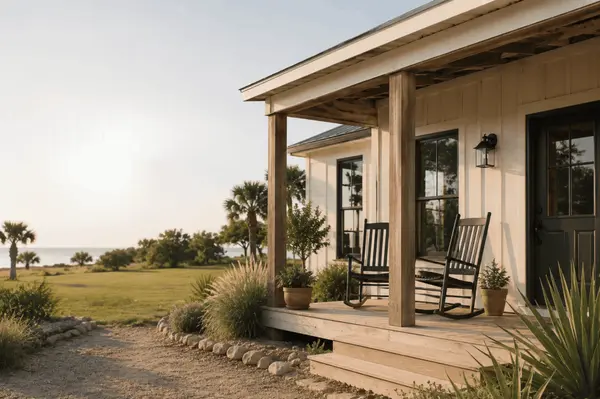
Hybrid work has not only changed where people work, it has changed what they want their home environment to look like.
While this increased flexibility has opened up new opportunities for buyers, it has also made due diligence more important, especially when purchasing land or rural property. Unlike traditional homes in subdivisions, these properties often require a deeper level of evaluation.
Water availability remains one of the most important factors to consider. Well depth, aquifer strength, and water production can vary significantly even within the same region. Internet access is another key consideration, particularly for buyers working remotely. In addition, understanding property restrictions, access to utilities, and road frontage can all impact how a property can be used over time.
As more buyers explore land ownership, making informed decisions on these factors is becoming increasingly important.
Texas real estate continues to experience steady growth, supported by ongoing population increases and economic expansion across the state. However, the reasons behind buyer decisions are evolving. Instead of focusing solely on proximity to work, buyers are placing more emphasis on flexibility, space, and how a property supports their day-to-day life.
Hybrid work has changed more than just where people spend their day, it has shifted what buyers are looking for when it comes to property in Texas.
With continued population growth and more flexibility in work schedules, demand is expanding beyond major cities and into areas that offer more space, privacy, and long-term potential. Land and rural properties are becoming a more common part of the conversation, especially across Central and South Texas.
For buyers considering making that move, understanding what comes with purchasing land is just as important as finding the right location. Factors like water availability, internet access, property restrictions, and future use all play a role in whether a property truly fits both current needs and long-term plans.
If you're interested in learning more about evaluating land before purchasing, you can also read our guide:
South Texas Land for Sale: What Buyers Should Know Before Investing
Sources and References: Texas Real Estate Research Center (Texas A&M University); U.S. Census Bureau (Texas population growth trends); National Association of Realtors (2025–2026 housing and migration trends); Texas Tribune; KSAT; San Antonio Express-News; regional MLS data and Central Texas market trends.
Categories
Recent Posts