It’s Not Just About the Acres: What Makes a Good South Texas Hunting Property?
When it comes to buying hunting land in South Texas, it’s easy to start with one number: the acreage.
But more acres don’t automatically mean better hunting.
According to Texas Parks & Wildlife Department, quality wildlife habitat comes down to a combination of food, water, cover and space. In South Texas especially, the condition and diversity of the habitat can make a major difference in the health of a whitetail herd.
Look at What’s Growing
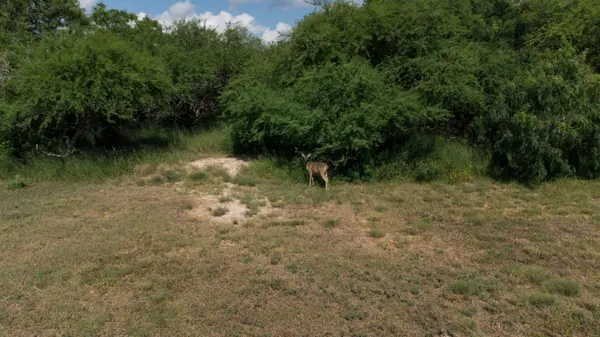
One of the things that makes South Texas such well-known whitetail country is its plant diversity.
According to Texas Parks & Wildlife, South Texas provides a diverse mix of grasses, forbs, shrubs and trees, with native plants such as granjeno and Texas kidneywood providing valuable nutrition for deer.
That also means a property that has been completely cleared of native brush isn't necessarily better hunting land. TPWD notes that removing too much brush or desirable native vegetation can negatively affect deer habitat.
Water Matters
Water is another piece of the puzzle, especially in a region where dry conditions can change the landscape quickly.
A stock tank, pond, well or other dependable water source is something worth paying attention to when evaluating hunting property. But just having water isn't the whole story. Where it sits in relation to food, bedding cover and the rest of the property can affect how wildlife utilizes the land.
Pay Attention to the Habitat
According to TPWD, healthy South Texas habitat typically includes diversity: grasses and forbs, low-growing shrubs, trees and good ground cover.
That balance matters.
Too little cover can leave wildlife without adequate protection, while unmanaged, extremely dense brush isn't automatically ideal either. Strategic openings, senderos and brush management can create a mix of food and cover while still preserving the native habitat wildlife depends on.
Management Leaves a Footprint
How a property has been managed matters too.
TPWD biologists look at things like browsing pressure, brush diversity, ground cover, livestock stocking rates and deer numbers when evaluating habitat health. Heavy browsing or a visible “browse line” can sometimes indicate that the land is supporting more animals than its available forage can handle.
And heading into the 2026-27 season, that's worth remembering. TPWD's current South Texas deer outlook notes that periodic drought can affect fawn crops and growth from year to year, making good habitat and population management particularly important in this region.
South Texas is still known for producing mature bucks and above-average antler quality, but the land underneath them plays a big part in that reputation.
Look Beyond the Acreage
Acreage certainly matters when you're buying a ranch or recreational property, but it's only part of the story.
When you're looking at South Texas hunting land, don't just ask how many acres you're buying. Ask what those acres are giving you.
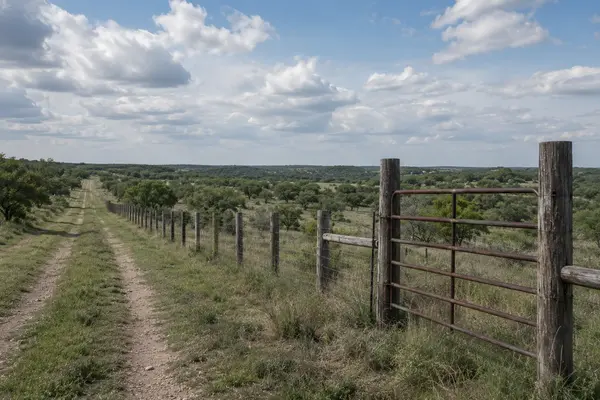
Sometimes the things growing between the fence lines tell you just as much about a hunting property as the number of acres on the listing.
Sources: Texas Parks & Wildlife Department, South Texas Plains Wildlife Management and White-tailed Deer Season Forecast.
Categories
Recent Posts