Texas Ag Exemptions for Ranch Land: What Livestock Buyers Should Know in 2026
Buying ranch land in Texas often comes with one big question: “Is it ag exempt?”
The answer matters, but what matters more is actually understanding what that means.
In Texas, an “ag exemption” is not a full exemption from property taxes. It is a special agricultural valuation, meaning qualifying land is taxed based on its productivity value instead of full market value. That difference can significantly lower property taxes, but it comes with requirements that are often misunderstood by buyers looking at livestock property.
First, land does not automatically qualify just because it has acreage. The property must be actively used for agricultural purposes and meet the level of intensity that is typical for that area. That standard is set and interpreted by the local county appraisal district, which means expectations can vary depending on location, soil, rainfall, and typical ranching practices in that region.
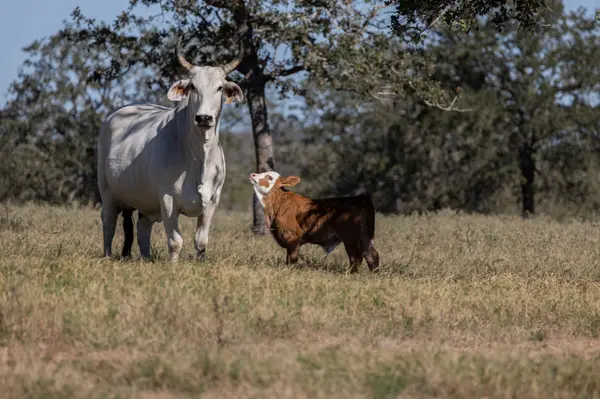
For buyers interested in running livestock, this is where things start to matter. Owning land and using land are two different things in the eyes of the county. Placing a single animal on a property is not enough to qualify. The land must support a legitimate agricultural operation, whether that is cattle, grazing, hay production, or another qualifying use, and it needs to be consistent with what is considered normal for that county.
Another important factor is timing. In most cases, land must have been devoted to agricultural use for at least five of the previous seven years to qualify for open-space agricultural valuation. If a buyer purchases raw or previously unused land, they may not receive the valuation immediately and may need to establish agricultural use over time.
One of the most overlooked pieces of ag-exempt land is rollback taxes. If a property receiving agricultural valuation is converted to a non-agricultural use, such as building a home or developing the land, rollback taxes may be triggered. As of current Texas guidelines, this typically looks back at the previous three years of tax savings and recaptures the difference between market value and agricultural value. This is not a penalty for owning land, but it is something buyers need to understand before changing how the property is used.
Wildlife valuation is another route buyers sometimes consider, but it is not a shortcut. In Texas, land must already qualify for agricultural valuation before it can transition into wildlife management use. It also requires a wildlife management plan and ongoing maintenance that meets county expectations.
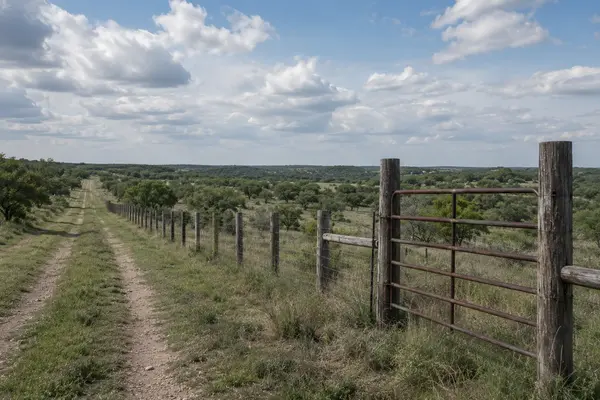
For livestock buyers specifically, it is also important to understand that not all land is truly “livestock-ready,” even if it currently holds an ag valuation. Key factors like water access, fencing, cross fencing, pasture condition, shade, and accessibility for trailers or equipment all play a role in whether a property can realistically support animals. These are not just operational details, they directly impact whether a property can maintain its agricultural use long-term.
This is where working with someone who understands the area becomes important. A property in Guadalupe County may be evaluated differently than one in South Texas brush country or the Hill Country, simply because land conditions and agricultural standards are not the same across Texas.
An ag exemption can be a major advantage when purchasing ranch land, but it should never be assumed or taken at face value. The strongest land investments are the ones where the buyer understands not just the acreage, but the use, the history, and what it actually takes to maintain that valuation.
If you are looking at ranch land, livestock property, or larger acreage in South Texas, BRAVA Realty can help you dig into the details that matter, beyond just what is listed online.
Categories
Recent Posts